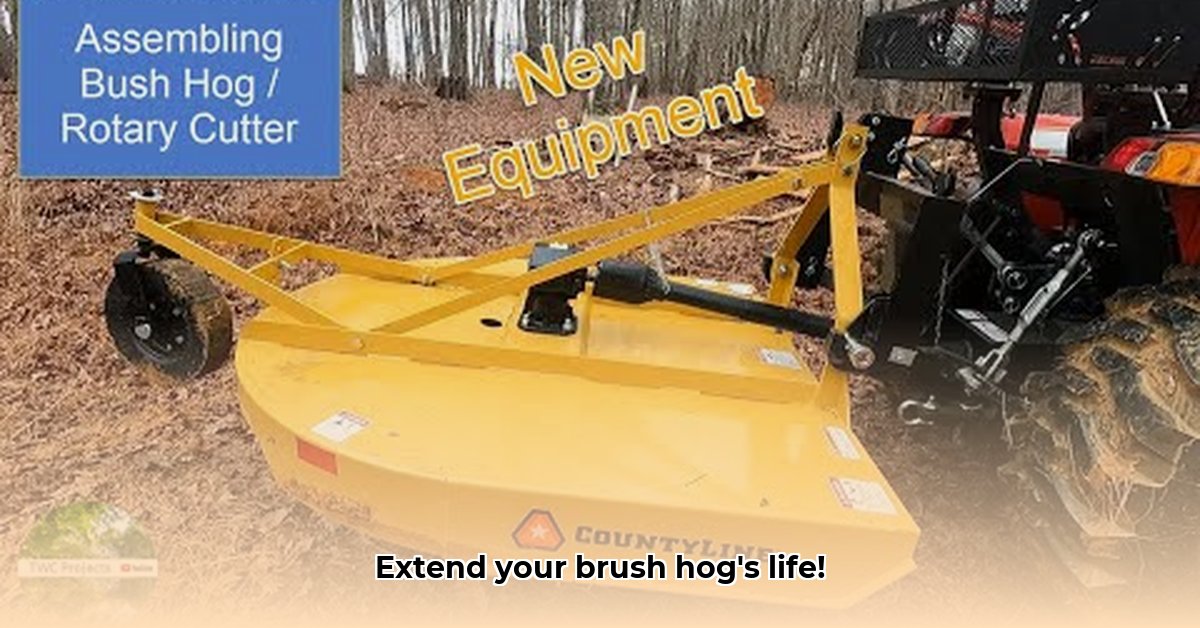
Selecting the Right Tractor Supply Brush Hog Blades
Choosing the correct blades is paramount for efficient brush hog operation and maximizing blade lifespan. The type of vegetation and terrain significantly influence blade selection. A mismatch can lead to reduced efficiency, premature wear, and potential damage to your equipment. What are the key factors in selecting the optimal blade? For more in-depth information, check out this helpful guide on brush hog selection.
1. Blade Material:
High-Carbon Steel Blades: These are a cost-effective option suitable for lighter tasks such as clearing grass and weeds. However, they wear down faster than carbide blades when dealing with tougher vegetation or rocky terrain. Expect a shorter lifespan compared to carbide options.
Carbide Blades: These durable blades excel in heavy-duty applications, including dense brush, thick vines, and rocky areas. While more expensive initially, their superior longevity often makes them a more economical choice in the long run. They are significantly more resistant to wear and tear.
2. Blade Size:
Always consult your brush hog's owner's manual to determine the correct blade size. Using incorrect sizes can damage your equipment and create unsafe conditions. This simple step is crucial for proper operation. Why is the correct size so important? An improperly sized blade can lead to imbalance, reduced cutting efficiency, and potentially dangerous situations.
3. Terrain and Vegetation:
Consider the specific challenges your land presents. Rocky terrain requires more robust carbide blades to resist impacts. Dense brush demands strong, sharp blades designed for heavy-duty cutting. Matching the blade to the task ensures optimal performance and prolongs blade life. Do you have a mix of terrains and vegetation types? Consider purchasing multiple sets of blades optimized for each specific use case.
Installing Your Tractor Supply Brush Hog Blades: A Step-by-Step Guide
Correct blade installation is critical for safe and efficient operation. Prioritize safety throughout the process. Improper installation can lead to blade imbalance, reduced lifespan, and potential safety hazards. What steps should you take to install your blades correctly and safely?
Safety First: Disconnect the power take-off (PTO) shaft completely before beginning. Always wear appropriate safety gear: gloves, safety glasses, hearing protection, and sturdy work boots. This step prevents accidental engagement and ensures your safety.
Remove Old Blades: Carefully loosen and remove the old blades using the appropriate wrench. Inspect them for wear and tear; this is valuable feedback for future blade selection. Dispose of old blades responsibly.
Align New Blades: Carefully align the new blades according to the manufacturer's instructions, ensuring correct orientation and seating. Misalignment is a significant cause of imbalance and vibration.
Tighten Securely (But Don't Overtighten): Tighten the bolts to the manufacturer's specified torque. Overtightening can damage the blades or mounting hardware; under-tightening leads to loose blades during operation. Consult your owner's manual for correct torque specifications.
Balance Check: Balance is crucial. An unbalanced blade will cause excessive vibration, leading to machine damage and potential operator injury. Use a simple spinning method to check for wobble. If you detect an imbalance, consult your instruction manual for solutions or obtain assistance from a qualified mechanic.
Maintaining Your Tractor Supply Brush Hog Blades: Maximizing Lifespan
Regular maintenance dramatically extends blade lifespan and improves cutting efficiency. Neglecting maintenance leads to dull blades, reduced performance, and increased wear. How can you effectively maintain your blades?
Sharpening: Sharpen your blades regularly using a grinder, file, or professional sharpening service. The frequency depends on usage and vegetation type. Sharpening significantly enhances cutting performance and extends blade life.
Inspection: Inspect your blades after each use. Replace bent or damaged blades immediately to prevent further damage. Regular inspection can prevent a small issue from escalating into a major problem.
Storage: Store blades properly when not in use to prevent rust and damage. Proper storage protects them from the elements, extending their useful life significantly.
Troubleshooting Common Brush Hog Blade Problems
Even with proper care, you might encounter issues. Quick identification and resolution prevent further damage and downtime. What problems might you encounter, and how can you fix them?
Excessive Vibration: This usually indicates blade imbalance. Recheck installation; ensure blades are correctly balanced and securely fastened. An unbalanced blade can cause severe vibrations, leading to equipment damage.
Poor Cutting Performance: Dull blades are the most common cause. Sharpen or replace them. If performance remains poor after sharpening, ensure correct blade alignment and positioning.
Bent or Damaged Blades: Replace bent or broken blades immediately. Rocks, debris, or hidden objects can severely damage blades. Regularly inspect the area for potential hazards.
Safety First: Working Safely with Rotary Cutters
Rotary cutters are powerful machines; safety must always be the top priority. Failure to adhere to safety procedures can result in serious injury. What are the key safety measures to follow?
Personal Protective Equipment (PPE): Always wear safety glasses, gloves, hearing protection, and sturdy, closed-toe boots. Never compromise on safety gear.
Pre-Operation Inspection: Thoroughly inspect your brush hog and blades before each use. Identify and address any potential hazards.
Clear the Area: Remove rocks, debris, and other obstructions from the work area. A clean work area greatly reduces the risk of damage to blades and equipment.
Safe Operating Practices: Never dismount while the PTO is engaged. Maintain awareness of your surroundings and operate within the brush hog's capabilities.
By following these guidelines, you can significantly extend the life of your Tractor Supply brush hog blades, ensuring efficient operation and maintaining a safe working environment. Remember, proactive maintenance is key to maximizing your investment and minimizing downtime.